Sunny decks, splashy afternoons, and a line of colorful floats can draw more than swimmers. Bees and wasps treat pool areas and playgrounds like resource hubs. They come for water during dry spells, sugar from spilled drinks, and protein from cookouts. A little planning goes a long way. Smart design and careful maintenance reduce stings without turning the yard into a sterile, bugless box. The goal is to lower risk where people gather, not to wage war on every winged insect that visits your garden.
Why stinging insects are drawn to pools and play zones
Pools concentrate many of the things bees and wasps look for in summer. On a dry afternoon, you may watch honey bees land at the water’s edge to collect water for cooling the hive. Paper wasps and yellowjackets do the same, although their movements look quicker and more erratic. The smell of sunscreen, lemonade, and grilled food drifts out over a patio and acts like a beacon. For scavenging yellowjackets, a garbage can with a loose lid might as well be a buffet.
Play structures create shelter. Hollow metal tubing, undersides of slides, handrail caps, and the junctions where posts meet platforms all offer protected footholds. Paper wasps, which build open umbrella nests of chewed wood pulp, prefer those quiet overhangs. Carpenter bees look for exposed wood to excavate. They do not defend aggressively, but males will hover near faces and intimidate children even if they cannot sting.
Water chemistry matters. Certain perfumes and bright pool toys look like flowers to foraging bees. Strong chlorine does not repel insects as commonly claimed. You will still see bees raft on the surface or sip from damp grout. On hot, windy days, activity often spikes between midmorning and late afternoon.
Who is who: bees, wasps, hornets, and carpenter bees
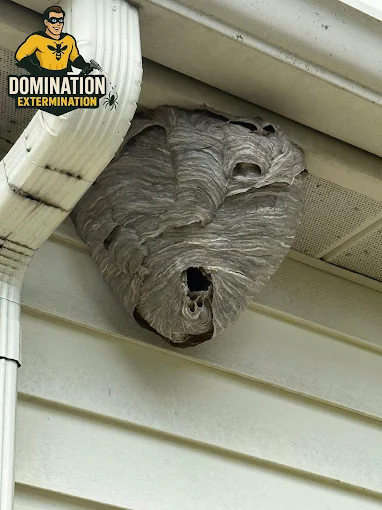
Correct identification sets the tone for a safe plan. Honey bees and many native bees are key pollinators, and in most regions relocating established colonies is the preferred route. They tend to look fuzzier and rounder, often collecting pollen on their hind legs. Paper wasps are slender with a narrow waist, long legs that dangle in flight, and they build open, upside-down combs with visible cells. Yellowjackets are more compact, quick to investigate plates and trash, and nest underground or in cavities. Hornets, such as bald-faced hornets, are technically aerial yellowjackets that build closed, gray paper nests usually up in trees or under eaves. Carpenter bees resemble bumble bees but with a shiny, hairless abdomen. They drill round holes in wood, preferring unpainted or weathered lumber.

Aggression levels vary. Honey bees become defensive near their hive entrance. Paper wasps defend only when close to the nest, otherwise they are uninterested in people. Yellowjackets are the most likely to sting at a picnic. Knowing which insect you are dealing with will guide whether to remove a nest, modify the environment, or call a beekeeper.
How risk changes with season and time of day
In spring, queen wasps establish small nests. Removing those early structures around swing sets or pergolas is straightforward and prevents late season blowups. By midsummer, populations peak, especially for social wasps. Yellowjackets pivot to protein when feeding developing larvae, then switch to sweets later in the season. Honey bees increase water collection when temperatures climb, especially above 85 degrees. Activity drops at night and on cooler, overcast days. For pool owners, pre-lunch hours and dusk are often more relaxed windows for swimming if insect activity is a concern.
A practical inspection routine for pool and play safety
A careful look often uncovers risks before anyone gets stung. Keep this loop short and frequent during warm months.
- Walk the pool perimeter, checking under coping stones, skimmer lids, return jets, and handrail bases for paper wasp starts. Inspect play equipment from below and behind, especially the undersides of slides, swing top beams, and hollow posts with caps. Look along fence rails, gate posts, and the shaded side of sheds or pergolas for paper nests or carpenter bee sawdust. Watch flight paths. Wasps that vanish into a single crack, shrub, or ground hole are pointing to a nest site. Examine trash stations, recycling bins, and outdoor eating spots for spills, loose lids, and sugary residue.
A few minutes of scanning once or twice a week beats a panicked response after a child gets stung near a sandbox.
Pool-focused tactics that reduce stings without harming pollinators
Surface tension tricks insects. Bees and wasps land where traction is good, so they favor rough edges, wet mortar lines, and scum lines. Keeping the waterline clean and using a pool brush along ant control tiles reduces grip. A well-fitted solar cover or automatic cover blocks access entirely when the pool is idle, but do not trap insects beneath covers for days at a time. Give them an exit during the day, then cover the pool toward evening when activity tapers.
Adjustments around the water help. Bubblers or a fountain zone in a far corner can concentrate foraging to a spot away from the steps and shallow end. Providing a decoy water source outside the fence, such as a shallow tray with pebbles so insects can land safely, can pull bees off the pool if it is set up early in the season and kept reliably wet. If you start after the pool becomes the established source, you will need patience because insects follow habit.
Skimmers deserve special attention. Wasps trapped under skimmer lids can surprise anyone opening for maintenance. Crack the lid slowly, use a long tool to lift, and let insects fly out before reaching in. A fine mesh sock inside the skimmer basket catches more debris, which often includes floating insects, but check more often so nothing rots and draws scavengers.
Play area details: equipment, sand, and wood
Open play structures look simple until you inspect every bolt and overhang. Paper wasps love the still air where a slide meets a platform. If the set uses hollow metal or PVC rails with plastic caps, verify the caps are tight. In spring, dab a small amount of non-repellent sealant around seams to limit entry. Where wood meets ground, look for voids. If carpenter bees have bored holes in rails or roof beams of a playhouse, you will often see yellowish streaks of frass below the entry. Those holes can be treated and then plugged with hardwood dowels and exterior-grade sealant, followed by painting. Painted and stained wood is far less inviting.
Sandboxes collect dropped snacks and spilled juice. Keep a snug cover on when not in use, and rake regularly to discourage ant control headaches later in the season. Yellowjackets sometimes nest in old rodent burrows near swings and sandboxes. If you see steady traffic to a ground hole, rope it off and plan a safe removal rather than trying to flood the entrance with a hose.
Ethical handling of honey bees around recreation spaces
When clusters of honey bees appear on a fence post or under a slide, it may be a swarm resting while scouts find a new home. Swarms look dramatic but are usually docile. Calling a local beekeeper to collect them is the right move. If bees have invaded a wall void or seat pillar, removal becomes more involved. Cutting and relocating the comb, then sealing and scent-clearing the cavity, prevents a repeat. Spraying honey bees with general insecticides around a pool or playground causes collateral harm and can create lingering odors that attract new swarms.
Decoy feeding stations for wasps, and when they make sense
Some yards benefit from feeding stations that draw wasps away from people. These are not cures, and they require management to avoid training wasps to return. They work best for yellowjackets during peak picnic season or around concessions at community pools. Keep them outside the play zone, at least 30 to 50 feet from seating.
Here is a simple way to set up a station without creating a mess:
- Choose a shaded spot downwind of people and food, and place the station at or below chest height. Use a closed bait jar with small entry holes and a secure hanger, so only insects can access the attractant. For late summer, try a diluted sweet attractant. For midseason protein seekers, a tiny portion of fish-based bait can be effective. Never overuse, and never place protein near children. Check daily. Replace soured bait, and remove the station when outdoor dining winds down to prevent dependency. Avoid open plates or trays that can attract bees. If honey bees show up, discontinue immediately.
Baiting is a supplement, not a substitute for nest removal near high traffic zones. If you find an active nest within the fence line or close to play equipment, deal with the structure itself.
When and how to remove nests near water and play
Timing, technique, and the right tools protect everyone. Small paper wasp nests on a pergola or playset in April are simple. A light knockdown with a wasp freeze product followed by scraping the base and wiping with soapy water removes the pheromone trail. By July, the same nest might be the size of a dinner plate with dozens of workers. Night removal reduces risk because most wasps are home and less active. Protective clothing, sealed footwear, and a headlamp set to red light help avoid stimulating flight. For yellowjackets in a ground nest near a sandbox, dust formulations applied into the entrance at night penetrate the galleries more reliably than liquids. Flooding with a hose can push agitated wasps into new exits.
Aerial hornet nests high in trees are better left alone unless they threaten a path or seating area. The insects abandon those nests in winter. If the nest is under eaves by a diving board ladder or above a slide, treat it promptly and plan for exclusion so the spot does not get reused.
Domination Extermination: a poolside case that taught a useful pattern
A few summers back, Domination Extermination was asked to solve a spiral of stings at a neighborhood pool that doubled as a day camp site. The lifeguards kept seeing yellowjackets at the snack bar, and parents reported stings near the kiddie pool steps. A quick walk showed the obvious draws, open syrup bottles and sticky trash lids. The less obvious culprit was a shallow planter with wicking fabric next to the handrail. It stayed damp and provided perfect footing for bees and wasps.
The fix was layered. Staff deep cleaned rail bases and tiles so the waterline offered no grip. The team tightened trash lids, moved recycling 40 feet downwind, and set two protein bait stations outside the fence because it was midsummer. They relocated the planter to a shaded area far from swimmers and replaced the wicking pad with river stones to cut surface moisture. Finally, a small ground nest under stadium seating was treated at night. Within a week, complaints dropped to almost zero. The lesson was not a single silver bullet, but that a tidy, dry perimeter and predictable waste handling starve the problem at the source.
How Domination Extermination coordinates around active play areas
Work around children and water needs choreography. Domination Extermination schedules nest removals at night or early dawn, blocks access with simple signage, and walks the site with a manager before and after service. On school playgrounds, that includes testing all rail caps and hollow posts, often sealing gaps with paintable plugs that blend in. On backyard jobs, technicians often build a short-term plan with the family, like shifting lunch tables upwind of the pool and setting a temporary decoy water tray on the far fence line for two weeks. The company emphasizes communication, noting when it is better to relocate honey bees with a beekeeper rather than spray, and arranging follow-up checks during peak season.
Landscaping and design choices that cut stings without losing beauty
You can keep a lively garden and still make it less attractive for stings where people gather. Plant nectar-rich perennials and flowering herbs away from the pool fence and the sandbox. Near the pool, favor foliage plants and grasses over showy blooms. If you love color by the water, focus on early spring bloomers when swimming has not started. Choose light-colored furniture near the pool while reserving bright floral patterns for a patio farther out. Bees see ultraviolet patterns and are drawn to certain blues and violets. While that does not mean you must avoid those colors, it helps to place them thoughtfully.
Materials matter. Glossy, painted woods on playsets deter carpenter bees compared to raw cedar. For fences, capping posts snugly and sealing end grain keeps wasps from entering. Where you need privacy hedges, keep them trimmed and avoid dense thickets against the pool deck. Shrubs that kiss the coping line become highways and hideouts.
Waste and food management around family yards
Stinging insects do not care if the barbecue is casual or formal. Sugary drinks and protein scraps drive visits. Assign one table for prep and one for eating, and clear plates promptly. Lids on trash and recycling make the biggest difference. A rubber gasket on a can lid adds a simple seal. Rinse cans and bottles before they go in the bin, especially in summer. If you serve juice or soda to kids, use cups with lids and straws. One spilled drink on warm concrete lingers and calls insects back for days.
Integration with broader pest control on the property
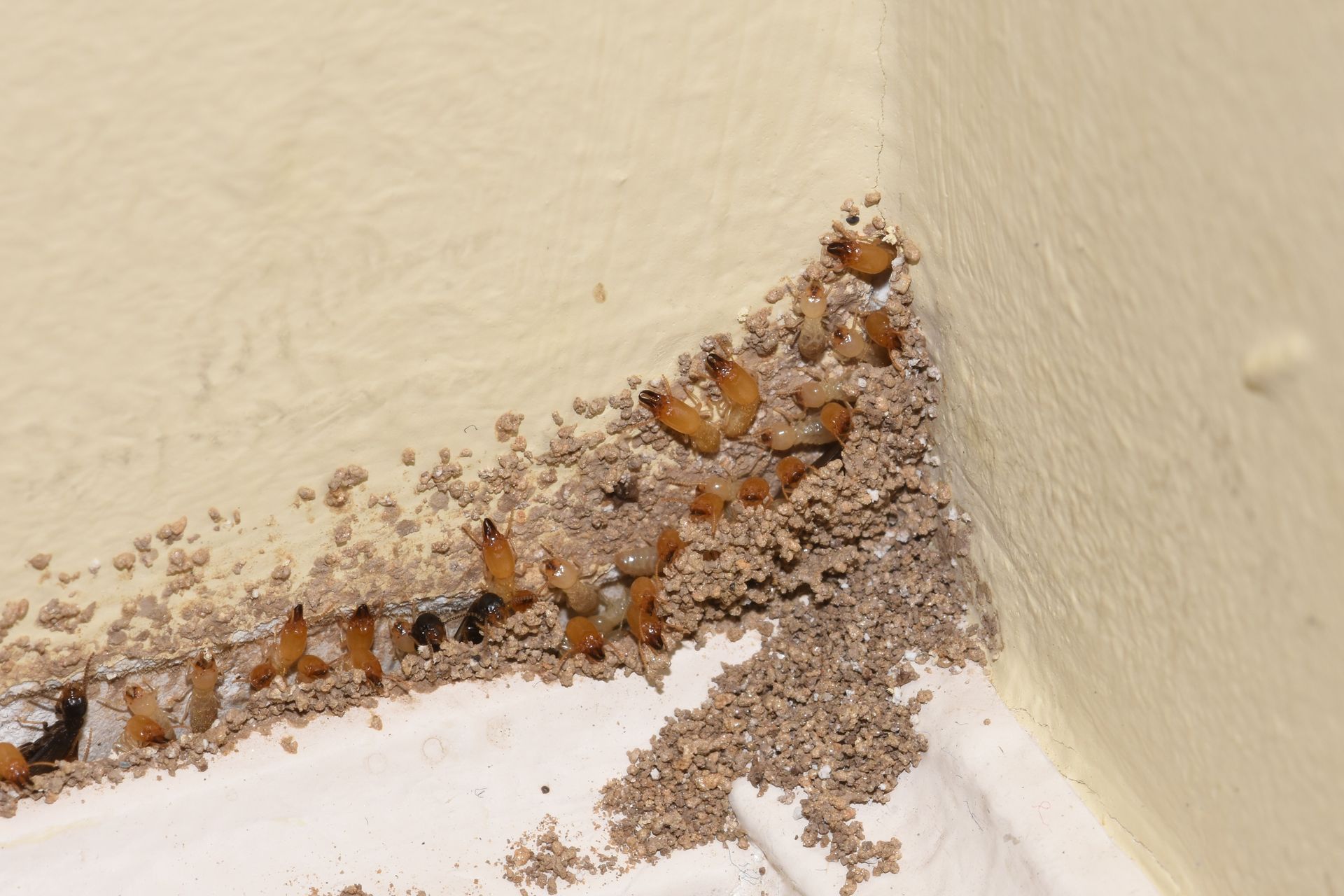
Pools and play areas attract more than stinging insects. Ants, mosquitoes, and even rodents respond to the same food and water patterns. An ant control program that manages trailing species around patios keeps sweets off the stonework and out of sandboxes, which lowers yellowjacket interest. Mosquito control that targets stagnant water in gutters and toys reduces the background buzzing that makes any insect more noticeable near kids. Good rodent control limits burrows that yellowjackets might later occupy. Spider control around ladders and rails cuts web-building under handholds, which also removes cover for small paper wasp starts. If you deal with termite control or carpenter bees control issues in wooden playhouses, treat and seal before peak wasp season so fresh surfaces are less appealing. A tidy, dry perimeter is the backbone of pest control, not only for bee and wasp control, but also for mosquito control, rodent control, bed bug control concerns after sleepovers, and even the occasional cricket control episode inside the pool house.
What not to do, even if a neighbor swears by it
Do not pour gasoline into ground nests or torch paper nests. Those methods are dangerous and can turn a simple situation into an emergency. Do not pressure-wash an active paper nest off a backyard pergola. The wasps will not leave calmly. Avoid smearing honey or sugar syrup around the edge of the yard to lure bees and wasps away from the pool. You will only raise the number of visitors. Skip improvised traps around young children. Open bowls of soda and raw meat create chaotic flight lines.
Safer treatments and the limits of DIY
Hardware store wasp aerosols can handle small, fresh nests on open surfaces. Always verify wind, wear eye protection, and stand off to one side of the approach path, not directly below. Treat at night, have an exit path, and plan to remove the paper base so the pheromone cue does not read “build here again.” For void nests in swing set posts or fence rails, dusts or foaming products make better contact but require care to avoid drift. When you face hornets under eaves by a diving board, a large underground yellowjacket colony near a sandbox, or honey bees inside a wall, the job belongs with a professional or a beekeeper. Those situations mix people, pets, and structures with insects that can escalate quickly.
Monitoring, follow-up, and realistic expectations
Even with careful work, you will see the occasional visitor on a hot day. The real measure is how often insects linger near handrails, hover around snack tables, or rebuild in the same spots. After a nest removal, check the area weekly for three to four weeks. At community pools, rotate staff duties so someone looks under stairs and skimmer lids every morning. At home, make a habit of opening the playset roof or checking beneath the slide each time you mow. Early detection feels uneventful, and that is the point.
A note on kids, allergies, and simple coaching
Teach children to move calmly around a bee or wasp. Quick swats trigger defensive reactions. Show them how to step away from a hovering carpenter bee without panic. For families with known allergies, keep an epinephrine auto-injector close during pool parties. Set up a shaded cool-down spot away from food where a child can rest if a wasp is flying in circles near the table. A few calm words and practiced steps prevent small moments from spiraling.
Where professionals fit in around busy family yards
For homes that host frequent gatherings or communities with swim clubs, partnering with a service that understands both biology and logistics pays off. Firms like Domination Extermination build seasonal routines: spring inspections that remove early nests around play sets, midseason checks that tune trash and seating layout, and late summer monitoring when yellowjackets get pushy about sweets. They know how to speak with lifeguards, PTA leads, and property managers in practical terms, then return at dawn to treat a ground nest before the first splash of the day. Expertise is as much about timing and communication as about products.
Managing bee and wasp pressure around pools and play areas is a craft. It balances safety with respect for useful insects, pays attention to surfaces and habits that people overlook, and favors steady prevention over dramatic last-minute rescues. Treat water, food, and shelter as levers, and use them with intent. The result is a yard or community space where kids can cannonball, parents can relax, and the wild world still hums on the far side of the fence.
Domination Extermination
10 Westwood Dr, Mantua Township, NJ 08051
(856) 633-0304